27 October 2026
The Benefits of Custom-Made Dental Crowns
Presented by @martinrtbx804
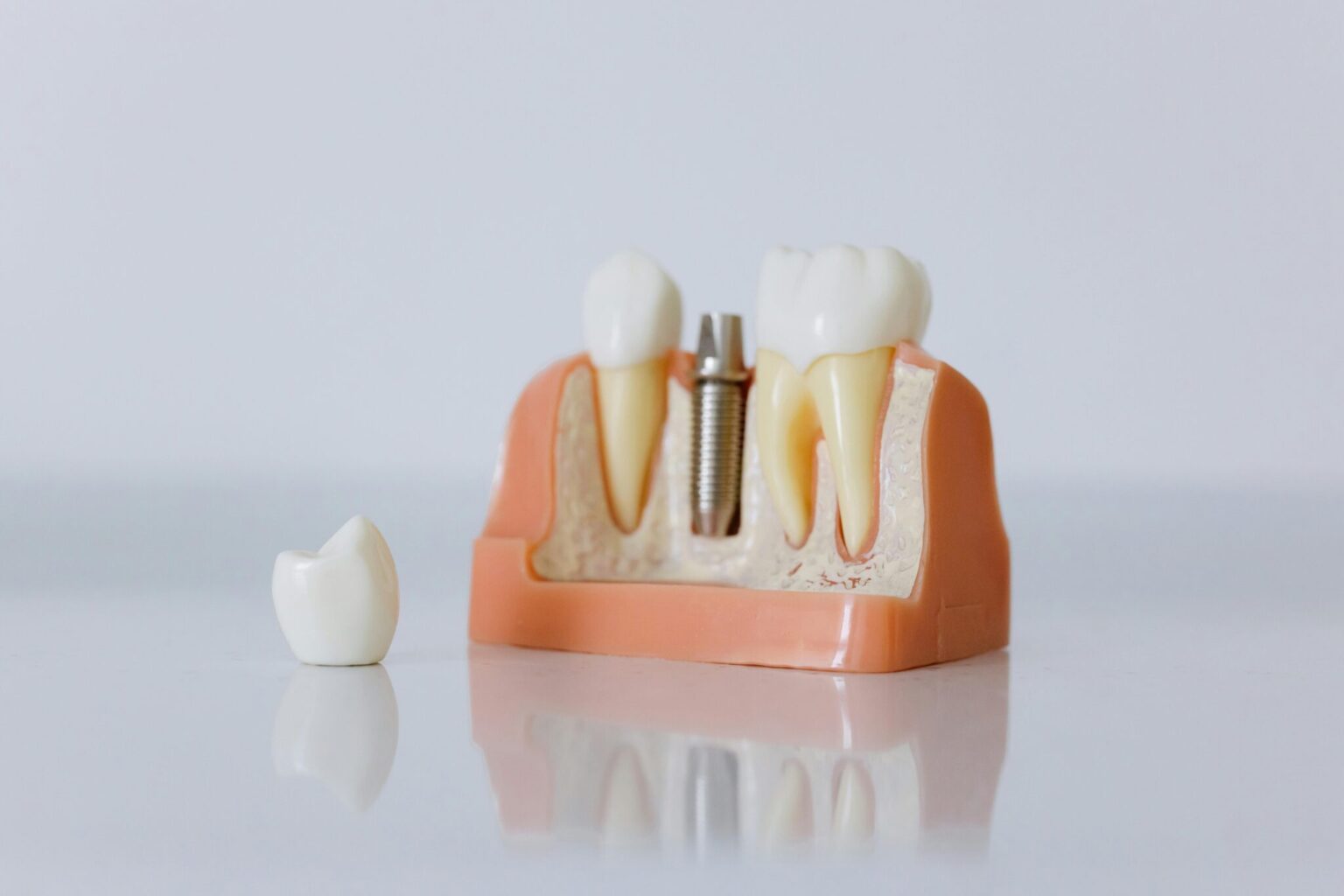
A dental crown can look like a small piece of dentistry, but it carries a surprising amount of responsibility. It has to protect a damaged tooth, restore bite strength, sit comfortably against the gums, match the surrounding teeth, and hold up through years of chewing, temperature changes, and daily wear. When any one of those elements is off, patients notice. They may not always know why a crown feels wrong, but they feel it when they bite, floss, smile, or drink something cold.
That is where custom-made dental crowns stand apart. A well-made custom crown is not simply a cap placed over a tooth. It is a restoration designed around the exact shape of the prepared tooth, the way the patient bites, the thickness of the surrounding enamel, the contour of the gumline, and the appearance of the neighboring teeth. In practice, those details make the difference between a crown that merely fills a space and one that feels like part of the natural dentition.
Dentists often recommend crowns after a tooth has been weakened by decay, cracked by trauma, worn down from grinding, or treated with a root canal. In each of those situations, the goal is not just repair. It is preservation. A custom-made crown helps keep the tooth functional for as long as possible, often saving a patient from more invasive and more expensive treatment later.
Why a custom fit matters more than most patients expect
People tend to focus first on the visible side of a crown, especially if it sits in the smile line. Appearance matters, and a crown that blends naturally can make a patient feel immediately more at ease. But the unseen fit is just as important.
A crown must seal closely to the prepared tooth. If the margins are not precise, microscopic gaps can allow bacteria and food debris to collect at the edges. That can lead to recurrent decay under the crown, gum irritation, bad breath, or sensitivity. In everyday practice, this is one of the quiet advantages of a carefully fabricated custom restoration. Better adaptation at the margins lowers the chance of trouble developing where patients cannot see it.
Fit also affects the bite. A crown that is too high, even by a small amount, can make the tooth feel sore when chewing. Patients may describe it as a tooth that “hits first” or feels bruised. Over time, a poor bite can contribute to jaw discomfort or stress on the opposing tooth. A custom-made crown is adjusted to the patient’s bite pattern rather than relying on a one-size-fits-most approach. That does not guarantee perfection on the first try in every case, because real mouths are dynamic, but it greatly improves the odds of a comfortable, stable result.
There is also the matter of contact with neighboring teeth. If a crown is too loose between teeth, food packs into the space and flossing feels ineffective. If it is too tight, floss shreds or the contact becomes difficult to clean. These issues sound minor until someone experiences them at every meal. A custom crown aims for proper contact pressure so the tooth functions normally in the arch.
Strength where the tooth needs it most
Not every damaged tooth needs the same kind of reinforcement. A front tooth with a large fracture presents different demands than a molar that absorbs heavy chewing force. Custom-made dental crowns account for those differences in shape, thickness, and material selection.
Back teeth usually need substantial strength because they handle high bite loads. Patients who clench or grind at night, or who have flat, worn chewing surfaces, place even greater demands on their restorations. In these cases, the dentist and lab often work together to choose a material and design that can tolerate force without becoming bulky or unnatural. A crown that is too thin in a high-stress area is more likely to chip or fracture. A crown that is too thick can interfere with the bite or require more reduction of the natural tooth than necessary. Custom planning helps strike the right balance.
For endodontically treated teeth, especially molars and premolars, structural support becomes even more important. After a root canal, the tooth can be more brittle because of the amount of lost tooth structure, not because the nerve itself has been removed. A well-designed crown braces the remaining tooth and helps distribute force across it. That can significantly reduce the risk of a large split that renders the tooth non-restorable.
The aesthetic advantage is not vanity, it is part of the treatment
Patients sometimes feel hesitant to ask about how a crown will look, as if that concern is cosmetic and secondary. In reality, appearance is part of function. If a restoration draws attention because it looks opaque, flat, too bright, too gray, or oddly shaped, the patient may avoid smiling or speaking freely. Dentistry works best when people forget the restoration is even there.
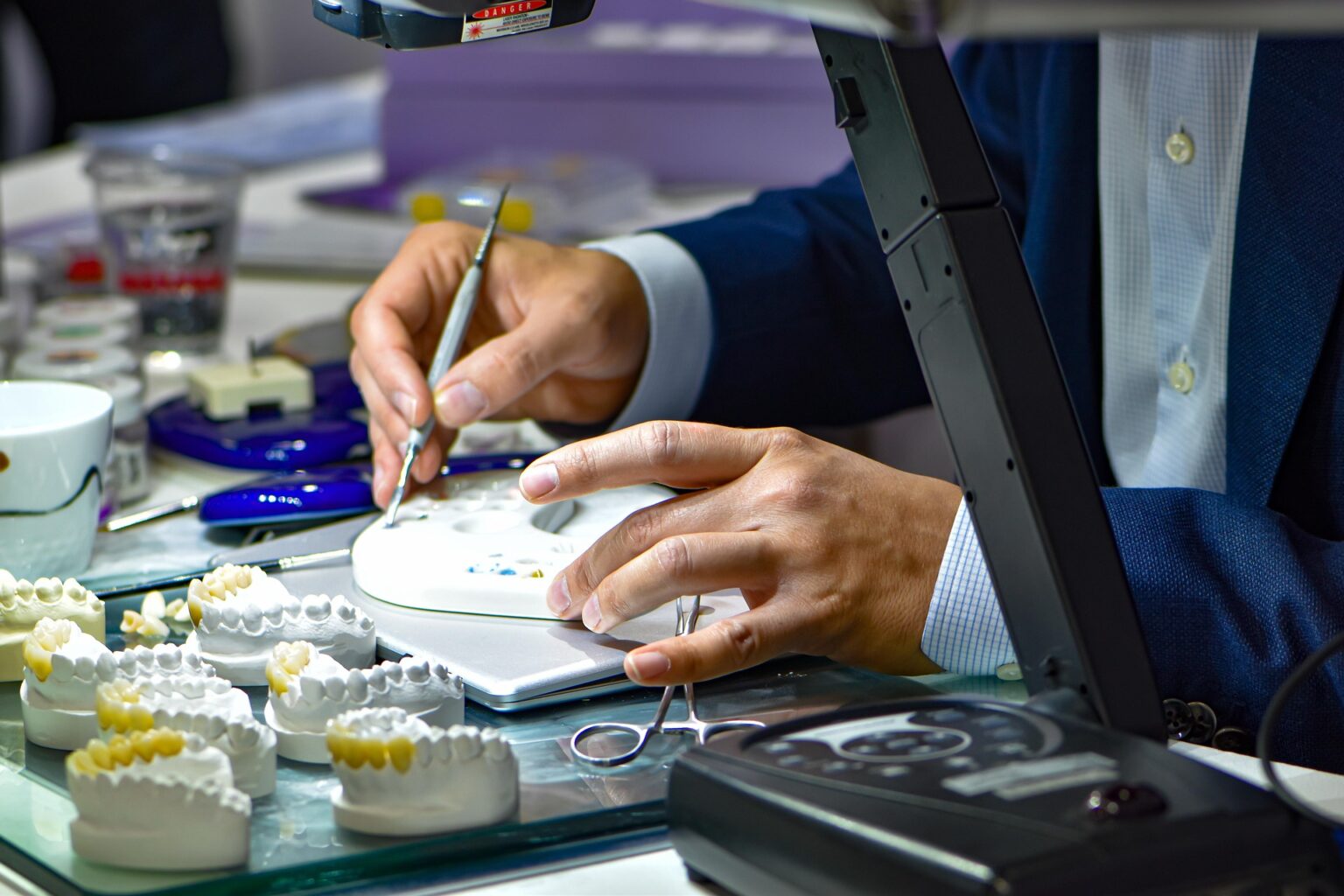
Custom-made crowns can be tailored for shade, translucency, surface texture, and contour. Natural teeth are not a single uniform color. They often have subtle variation from the gumline to the incisal edge, with light reflecting differently through enamel and dentin. A custom crown, particularly one fabricated with high-quality ceramic systems and good Dental Crowns laboratory communication, can reproduce those nuances far better than a generic alternative.
This matters most in the front of the mouth, but it matters in the back as well. Even posterior crowns affect how a smile frames from the side and how naturally the teeth appear when someone laughs. In practice, some of the happiest patients are not the ones who say, “My new Dental Crowns crown looks perfect.” They are the ones who say, “I can’t tell which tooth it is anymore.”
Materials make a difference, but only when matched to the case
There is no single best crown material for every patient. The right choice depends on the tooth’s location, bite forces, aesthetic goals, available space, and oral habits.
Porcelain-fused-to-metal crowns have a long track record and can be very durable. They remain useful in certain situations, though the metal substructure can sometimes show at the gumline over time, especially if the gums recede. All-ceramic and zirconia crowns have become increasingly popular because they offer excellent esthetics and strong performance. For front teeth, layered ceramics often provide a very lifelike appearance. For molars, monolithic zirconia may be favored for durability, particularly in patients with heavy bite forces.
The key point is that custom-made dental crowns are not chosen from a shelf. The material is selected with the clinical picture in mind. That judgment matters. A beautiful, delicate ceramic may not be ideal for a patient who fractures restorations from grinding. A very strong material may need careful polishing and contouring so it does not wear down the opposing tooth. Good crown work is rarely about picking the most expensive material. It is about using the right one in the right place.
Better gum response and easier cleaning
When a crown is properly contoured, the gum tissue usually responds well. When it is overbulked or rough at the margins, the tissue often looks puffy, red, or tender. Patients may report bleeding when brushing or flossing around a crown that otherwise seems intact. In many cases, the issue is not the concept of the crown itself but the way it was shaped or finished.
Custom crowns allow closer attention to emergence profile, which is the way the crown rises out of the gumline. Natural contours support healthy tissue and make the restoration easier to clean. That becomes especially important for patients who are already prone to inflammation or who have a history of periodontal disease. A crown should not create a plaque trap. It should support oral hygiene, not complicate it.
This is one of those benefits that often goes unnoticed when everything is done well. Patients simply find that brushing and flossing feel normal. Food does not catch in awkward ledges. The gums stay quiet. The crown disappears into daily life, which is exactly what a successful restoration should do.
Custom crowns can preserve more natural tooth structure
There is a persistent assumption that crowns always require aggressive reduction of the tooth. Sometimes a significant amount of structure must be removed to create space for a strong, functional restoration. But careful custom planning often helps conserve what remains.
The dentist evaluates the amount of healthy enamel and dentin left, the position of the tooth, the restorative material, and the amount of room available in the bite. From there, the preparation can be shaped to support the crown while avoiding unnecessary sacrifice of sound tooth structure. This is especially relevant in younger patients or in teeth that may need to serve for decades.
Preserving natural tooth structure matters because every intervention changes the long-term prognosis of a tooth. Dentistry is often a matter of making the smallest effective move at the right time. A custom-made crown, designed thoughtfully, fits within that principle.
What patients notice in daily life
Many benefits of custom-made dental crowns show up not on X-rays or treatment plans, but in ordinary routines. Eating feels easier. The tooth no longer catches the tongue because an edge broke off months earlier. Cold sensitivity settles down when the damaged tooth is protected. Smiling in photographs stops feeling like a calculated act.
I have heard patients describe the shift in surprisingly practical ways. One person noticed she could finally chew crusty bread on both sides again after months of favoring one side. Another realized he stopped waking with a sore jaw once the bite on a poorly contoured temporary crown was corrected and the final custom crown was placed. A front-tooth crown patient remarked that for the first time in years, lipstick on a coffee cup did not come with anxiety about a dark, mismatched tooth showing in the mirror.
Those comments may sound small, but they reflect the real value of restorative dentistry. The crown is successful when it restores confidence and routine, not only anatomy.
Situations where a custom crown is especially worthwhile
Not every tooth presents the same level of complexity. Some cases are straightforward. Others demand a higher degree of individualization because small errors are more visible or more consequential.
The need for a custom approach becomes particularly clear in situations like these:
- front teeth where shade and shape must blend seamlessly
- teeth with previous large fillings or fractures that create irregular structure
- patients with heavy clenching or grinding habits
- cases involving bite changes, crowding, or limited space
- teeth near the gumline where contour and margin precision affect tissue health
These are not rare exceptions. They represent a large share of the crown cases seen in routine practice.
The digital shift has improved precision, but craftsmanship still matters
Digital scanners, CAD software, and in-office milling have made crown procedures more efficient and, in many offices, more comfortable for patients. Digital impressions can be easier than traditional trays, especially for patients with a strong gag reflex. They also reduce some of the distortions that can occur with impression materials.
That said, technology is only part of the process. A digital scan of a poorly prepared tooth does not become a great crown by itself. Margin design, tissue management, bite records, shade communication, and finishing still require judgment and skill. If a same-day crown is offered, the result can be excellent when the workflow is strong and the case is suitable. In other cases, sending the restoration to a skilled laboratory allows for more nuanced layering, staining, contouring, or collaboration on a difficult esthetic match.
Patients sometimes ask whether digital crowns are automatically better than traditional lab-made crowns. The practical answer is that the quality depends less on the label and more on case selection, execution, and follow-through. Custom work remains custom work, regardless of whether the tools are analog or digital.
The financial side, and why cheaper is not always less expensive
A custom-made crown may cost more upfront than a lower-cost alternative, and that matters. Dental treatment is a real budget decision for many families. It is fair to weigh expense carefully. But it is also worth looking at value over time.
A crown that fits poorly, chips repeatedly, irritates the gums, or allows recurrent decay can lead to replacement costs, additional appointments, more time away from work, and sometimes loss of the tooth. Once a tooth is lost, the treatment options often become more complex and more expensive, involving bridges, implants, or removable prosthetics. Against that backdrop, a high-quality custom crown often makes financial sense because it improves the chances of a stable long-term outcome.
This is not an argument for overtreatment or for the fanciest option in every case. It is an argument for understanding what the fee supports: diagnosis, preparation, material choice, laboratory or fabrication quality, fit, aesthetics, and follow-up care. Good crowns are not expensive because they are decorative. They are expensive because precision takes time, materials, and expertise.
When custom crowns are not the full answer
A crown can solve many problems, but it cannot compensate for every underlying issue. If a patient has uncontrolled grinding, severe dry mouth, poor oral hygiene, untreated gum disease, or extensive decay below the gumline, the crown enters a more hostile environment. Even an excellent restoration can fail if the foundation is unstable.
Sometimes another treatment is more appropriate. A tooth with a small defect may do well with a bonded onlay or filling rather than a full crown. A crack that extends deep below the bone may leave the tooth with a poor prognosis no matter how elegant the final crown appears. In cases of active periodontal breakdown, controlling the gum disease comes first.
This is one of the marks of good clinical judgment. The best dentists do not recommend crowns simply because a tooth can technically receive one. They recommend them when the overall picture supports a favorable outcome.
How to make a custom crown last
Longevity depends on both the quality of the restoration and the habits that follow. Most well-made crowns can last many years, often well over a decade, but no crown is indestructible. Daily maintenance matters.
A few habits make an outsized difference:
- brush carefully along the gumline, where plaque tends to collect around crown margins
- floss daily, sliding the floss through the contact rather than snapping it down
- avoid chewing ice, pens, and other hard objects that can crack natural teeth and crowns alike
- wear a night guard if you clench or grind
- keep regular dental visits so small issues can be caught before they become large ones
Patients are sometimes surprised to learn that the tooth under the crown can still decay. The crown itself does not rot, but the exposed margin and root areas remain vulnerable. Good home care and routine checkups protect the investment.
The human side of a well-made restoration
There is a practical satisfaction in crown work done properly. The patient sits up, bites a few times, and their expression changes. The guarded way they were chewing disappears. Their tongue stops searching for a rough edge that is no longer there. Often they do not say much at first, because the most meaningful reaction is relief.
That relief comes from precision. A custom-made dental crown respects the fact that no two mouths are the same. Tooth shape, gum contour, smile line, bite force, and wear patterns vary from person to person. Restorations should vary too.
For patients, the benefit is straightforward: better comfort, better function, better appearance, and a better chance of keeping the tooth healthy over time. For clinicians, the custom approach reflects a deeper principle. Teeth are not isolated objects. They are part of a living system that has to work every day under real pressure. Restoring them well means treating that system with care.
A crown may occupy only one tooth, but when it is made to fit the person rather than the category, the result reaches much further than that. It supports the bite, protects the tooth, respects the gums, and restores the ordinary confidence that comes from not having to think about your dentistry at all. That is the quiet strength of a custom-made crown.
Omni Dental Specialty
1690 E Gonzales Rd, Oxnard, CA 93036, United States
+1 805-410-9603
FAQ About Dental Crowns
How long do crowns last on teeth?
A dental crown often lasts about five to fifteen years, although some last longer. Material, the underlying tooth, oral hygiene and grinding habits affect longevity. Regular dental examinations help identify wear, decay or a loose crown; no lifespan is guaranteed.
How much does a tooth crown cost?
There is no single price for every crown. Material, laboratory work, the condition of the tooth and any additional treatment affect the fee. Ask for a written estimate and confirm your insurance benefits, exclusions and out-of-pocket costs before treatment.
What is the downside of crowns on teeth?
A conventional crown usually requires irreversible removal of some tooth structure. Possible problems include sensitivity, chipping, loosening and decay at the crown margin; some teeth later need root canal treatment. Discuss your tooth's condition, material choices and suitable alternatives with your dentist.