27 October 2026
Are Dental Crowns a Permanent Solution?
Presented by @martinrtbx804
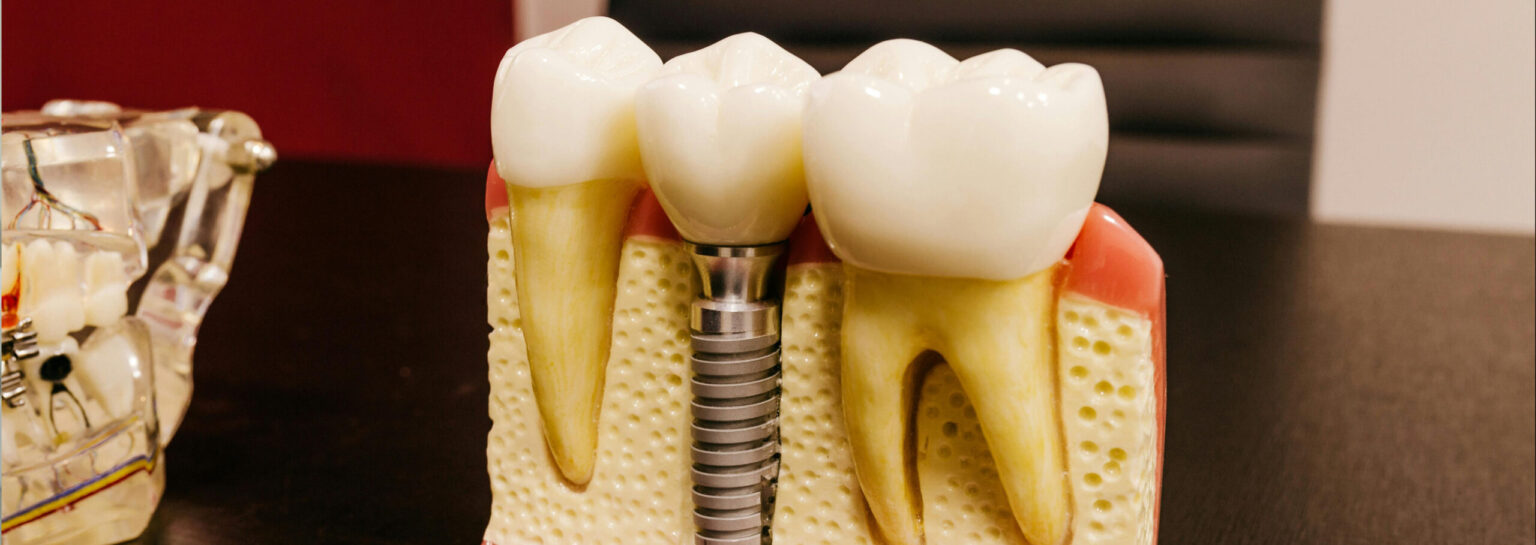
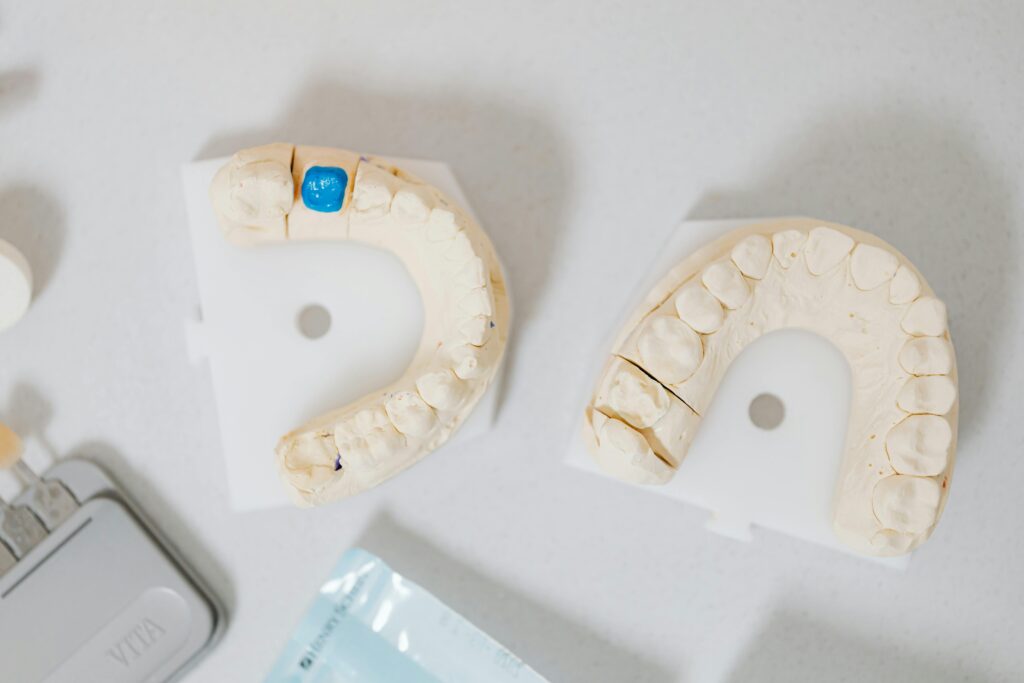
When patients ask whether dental crowns are permanent, they are usually asking two different questions at once. First, will the crown itself last forever? Second, once a tooth is crowned, is the problem finally solved for good?
The honest answer is no, not in the strict sense of the word permanent. Dental Crowns are durable, reliable, and often long-lasting, but they are not lifetime devices in every case. They sit in a demanding environment. Every day they absorb biting force, temperature changes, acidic foods, nighttime grinding, and the effects of aging gums and bone. The tooth underneath remains a living structure, or at least a biological structure, and that means it can still change over time.
That said, many crowns do last well over a decade, and some stay functional much longer. I have seen crowns serve patients beautifully for 15 to 20 years, sometimes more, especially when the original dental work was precise and the patient kept up with hygiene and routine care. I have also seen crowns fail much earlier because the tooth fractured, decay crept in at the margin, or the patient had heavy clenching that was never addressed. A crown is less like installing a granite countertop and more like restoring a part on a machine that still has to operate under load every single day.
What a crown actually does
A dental crown is a custom-made cap that covers a damaged or weakened tooth. It restores shape, strength, and function, and in many cases improves appearance. Crowns are commonly used after a large filling, after root canal treatment, when a tooth is cracked, or when the remaining natural tooth structure is not strong enough to hold up on its own.
The key point is that a crown protects what is left. It does not make the tooth indestructible. If the underlying tooth has limited healthy structure, severe wear, or a history of infection, the crown can help a great deal, but it cannot erase all future risk. This is where expectations matter. A crown is often the best way to save a tooth that would otherwise be too compromised to function well. That is a meaningful, long-term solution. It just is not an eternal one.
Why crowns feel permanent to many patients
From the patient’s perspective, a well-made crown can feel like a final fix. The pain stops, the tooth looks normal again, and chewing becomes comfortable. Once it is cemented, it is not designed to be removed and reattached casually. In that sense, it is a permanent restoration as opposed to a removable appliance.
Dentists also plan crowns with longevity in mind. The materials are selected to withstand years of chewing. The shape is designed to fit with the bite. The edges, called margins, are intended to seal against the tooth closely enough to reduce bacterial leakage. When everything goes well, a crown can become so uneventful that the patient forgets which tooth even has it.
That practical experience is why people often speak of crowns as permanent. Clinically, though, permanent usually means fixed in place, not guaranteed for life.
How long Dental Crowns typically last
A reasonable expectation for many Dental Crowns is about 10 to 15 years, though that is only a broad average. Some fail sooner. Some last much longer. Longevity depends on a mix of engineering, biology, and behavior.
A crown on a front tooth may experience less chewing force than a crown on a molar, but the front tooth may face cosmetic demands that prompt replacement earlier. A crown on a patient with excellent oral hygiene and stable gums may remain healthy for decades. The same crown in a mouth with dry mouth, frequent sugar exposure, or untreated gum disease may need replacement much sooner.
Material plays a role too. Porcelain fused to metal crowns have a long track record. All-ceramic crowns can look highly natural and perform very well, especially with modern materials such as zirconia and lithium disilicate, but the choice depends on location, bite pressure, and cosmetic goals. Gold crowns, while less common today for obvious aesthetic reasons, have historically been among the most forgiving and durable restorations in back teeth because they wear predictably and fit exceptionally well.
Still, material alone does not determine success. The quality of the tooth preparation, the precision of the lab work, the cementation, and the patient’s bite often matter just as much.
The tooth under the crown is still the real story
One of the biggest misconceptions is that a crown replaces the tooth. It does not. It reinforces and covers the part of the tooth that remains. If that remaining foundation is weak, the long-term outlook becomes more complicated.
Think of a crown as a protective shell over a structure that may already have a history. A tooth that once had a very large cavity, a deep crack, multiple old fillings, or root canal treatment has already been through stress. The crown may stabilize it and significantly extend its useful life, but biology does not reset to factory settings.
I often compare it to restoring a load-bearing beam in an older house. A proper repair can be excellent, but it still needs a sound base, and it still exists within an older system that may shift over time.
The most common reasons crowns do not last forever
Crowns rarely fail because the idea of a crown is flawed. They usually fail because of something happening around or beneath them.
Here are the most common reasons:
- Decay develops at the edge where the crown meets the tooth.
- The cement bond weakens and the crown loosens or comes off.
- The underlying tooth fractures, especially if very little healthy tooth remains.
- Gum recession exposes the margin, making the tooth more vulnerable.
- Grinding or clenching creates excessive force that cracks the crown or tooth.
Decay at the margin is one of the most frequent issues. Patients sometimes assume a crowned tooth cannot get a cavity. It absolutely can. The crown material does not decay, but the natural tooth at the edge still can. If plaque sits there, especially in patients with dry mouth or inconsistent flossing, bacteria can work beneath the crown and undermine it quietly.
Fracture is another major factor. A crown can strengthen a tooth, but if the tooth is already split or if force concentrates in the wrong place, the root or remaining structure can crack. At that point, the crown may still be intact while the tooth is not salvageable.
Root canals, cracks, and the fine print behind "saved"
A great many crowns are placed on teeth that have had root canal treatment. That often makes sense, because root canal treated teeth are more brittle and more likely to fracture without reinforcement. In these cases, the crown is doing an important protective job.
But this is also where the word permanent becomes slippery. A root canal treated tooth has lost its nerve and blood supply. It can function very well for many years, but it is not the same as a pristine, untouched tooth. If the remaining walls are thin, or if there is a hidden crack extending below the gumline, the prognosis changes. A crown cannot heal a crack that runs too deep. It can only hold together what is structurally restorable.
This is why a careful diagnosis before the crown matters so much. If a tooth has symptoms that suggest a crack, or if there is not enough sound tooth left to support a crown properly, placing one may buy time, but it may not create a stable long-term result.
What makes one crown last 20 years and another fail in five
When I look at crowns that age well, the pattern is usually not mysterious. The tooth was restorable, the fit was excellent, the bite was balanced, and the patient maintained it. When I see early failures, there is often more than one contributor.
A few factors stand out:
- Precise fit at the margin and good lab fabrication
- Enough healthy tooth structure to support the crown
- Stable bite, without heavy grinding or traumatic contact
- Healthy gums and low cavity risk
- Consistent home care and regular dental reviews
The bite issue deserves more attention than it often gets. A crown that is even slightly high can absorb more force than intended. Sometimes the patient notices it right away. Sometimes they adapt and the damage appears gradually as soreness, cement breakdown, porcelain chipping, or a crack in the underlying tooth. People who clench at night can place enormous force on restorations, often without realizing it. A custom night guard can dramatically improve the odds of long-term success.
Are some crown materials more "permanent" than others?
Patients understandably want the strongest material available, but strength is only part of the decision. The best crown material depends on where the tooth is, how much space there is, what the cosmetic demands are, and how the patient bites.
Gold has long been respected for its durability and kind wear on opposing teeth, but many patients do not want a gold-colored restoration. Porcelain fused to metal crowns can be durable and esthetic, though the porcelain layer can chip and the metal margin may become visible over time if the gums recede. All-ceramic options vary. Zirconia is very strong and often useful in back teeth or for patients with heavier bite forces. Lithium disilicate offers excellent esthetics and performs well in many single-unit restorations, especially in visible areas.
No material is immune to real-world conditions. I have seen beautiful ceramic crowns that lasted years without issue, and I have seen strong zirconia crowns survive while the tooth underneath failed. Material matters, but the supporting tooth and the bite often decide the outcome.
The role of gum health, which patients often underestimate
A crown can be technically excellent and still have a shortened lifespan if the surrounding gums and bone are not healthy. Gum disease changes the environment around the tooth. As bone support decreases, the tooth may become less stable under load. As gums recede, the crown margin may become exposed. That creates a zone where plaque can collect and sensitivity or decay may begin.
This matters especially for older adults, people with diabetes, smokers, and patients who have had periodontal treatment in the past. None of those factors mean crowns are a poor choice. They simply mean that maintenance is not optional. A crown placed in a mouth with unstable periodontal health is being asked to perform in difficult conditions.
When replacement is normal, not a sign of failure
Many patients feel disappointed when told a crown needs replacement after 12 or 15 years, as if something must have gone wrong. Often that is not the case. Dentistry is not static. Materials age, margins wear, cement interfaces degrade, and gums change position over time. Replacing a crown after many years of service can be routine maintenance, much like replacing tires that have done their job.
Some crowns are replaced because of obvious problems such as decay, pain, looseness, or fracture. Others are replaced more proactively because the margin is opening, the crown no longer fits the bite correctly, or the appearance has changed enough to matter to the patient. If a crown has given more than a decade of function and then needs attention, that is often a respectable lifespan rather than a disappointment.
Signs a crown may be reaching the end of its useful life
Trouble is not always dramatic. Sometimes the first clue is a bit of floss shredding at the edge, food catching more often, or a faint sensitivity when biting. Other times the crown comes off in the patient’s hand, usually on a weekend, which seems to be a law of nature.
Patients should pay attention to a few warning signs:
- Pain or pressure when chewing
- Sensitivity to cold or sweets near the crowned tooth
- A loose feeling, movement, or the crown coming off
- Gum bleeding or persistent irritation around the margin
- Visible cracks, chips, or dark lines near the edge
Not every symptom means the crown is doomed. A loose crown can sometimes be recemented if the fit and tooth are still sound. Mild gum irritation may be due to plaque retention rather than structural failure. The important thing is not to ignore changes. Small issues are easier to address than advanced decay or a vertical root fracture.
How to make a crown last as long as possible
The advice here is simple, but it works. Crowns last longer when patients treat them like valuable dental work rather than invincible armor. Cleaning at the gumline matters. So does managing bite force.
Brush carefully around the crown margin, especially where crown meets gum. Floss daily, and do not skip the crowned tooth because it "already has protection." Keep recall visits and hygiene appointments even when nothing hurts. If you grind or clench, wear the night guard that was recommended, especially after investing in restorative work. If the crown ever feels high, strange, or newly sensitive, have it checked promptly rather than waiting months.
Diet can play a role too. Frequent sipping of sugary or acidic drinks increases cavity risk around crown margins. Chewing ice, opening packages with teeth, and crunching hard objects are habits that break natural teeth and restorations alike. It sounds obvious, yet these are common causes of avoidable damage.
Are crowns more permanent than fillings?
In many situations, yes, but the comparison needs context. A large filling in a heavily damaged tooth may be a shorter-term solution because the remaining tooth walls can flex Dental Crowns and fracture. A crown encircles and protects the tooth more comprehensively, which often makes it the more durable option.
That said, a crown also requires more tooth reduction and a greater financial investment. Dentists do not usually place crowns just because they are "better" in the abstract. They recommend them when the tooth has reached a point where a filling is unlikely to hold up predictably. The decision is based on structural need, not marketing.
For a small to moderate cavity, a conservative filling may be completely appropriate. For a tooth with a large old restoration, cracks, or a history of fracture, a crown may be the better long-term choice. Permanent is not the right lens so much as durable, indicated, and worth preserving.
Situations where a crown may not be the final answer
There are cases where a crown is part of the plan, but not the final chapter. A tooth with uncertain crack symptoms may receive a crown and remain comfortable for years, or it may declare itself later with a split root. A heavily broken tooth may need a buildup, a post, a crown, and close monitoring, but eventually require extraction if the root fails. A crowned implant restoration can last a long time too, but implants have their own maintenance needs and biological risks.
This does not mean crowns are unreliable. It means dentistry often works in stages of risk reduction rather than absolutes. The aim is to preserve healthy teeth and restore compromised ones with the best chance of long service. Sometimes that service is measured in decades. Sometimes the crown buys valuable time for a tooth that could not otherwise have been saved.
That time matters. Five stable, comfortable years on a difficult tooth can be meaningful. Fifteen years on a heavily restored molar is often a good outcome. Patients usually appreciate this once the conversation shifts away from the all-or-nothing idea of permanence.
The answer most dentists would give in a real consultation
If a patient asked me whether Dental Crowns are a permanent solution, the most useful answer would be this: they are intended as a long-term fixed restoration, not a lifetime guarantee. They can last many years, often well over a decade, and they are one of the best tools dentistry has for protecting and restoring damaged teeth. But they still rely on the health of the tooth underneath, the condition of the gums around it, and the forces placed on it every day.
A crown is often the right answer when a tooth needs serious reinforcement. It can save teeth that would otherwise fracture, function poorly, or be lost. That is not a small thing. It is simply wiser to think of a crown as durable and maintainable rather than permanent in the absolute sense.
The patients who do best are usually the ones who understand that distinction. They invest in good treatment, keep the area clean, return for checks, protect their teeth from grinding, and respond early when something changes. With that combination, a crown often stops feeling like a temporary repair and starts functioning like a dependable part of daily life, which is probably the most practical definition of success.
Omni Dental Specialty
1690 E Gonzales Rd, Oxnard, CA 93036, United States
+1 805-410-9603
FAQ About Dental Crowns
How long do crowns last on teeth?
A dental crown often lasts about five to fifteen years, although some last longer. Material, the underlying tooth, oral hygiene and grinding habits affect longevity. Regular dental examinations help identify wear, decay or a loose crown; no lifespan is guaranteed.
How much does a tooth crown cost?
There is no single price for every crown. Material, laboratory work, the condition of the tooth and any additional treatment affect the fee. Ask for a written estimate and confirm your insurance benefits, exclusions and out-of-pocket costs before treatment.
What is the downside of crowns on teeth?
A conventional crown usually requires irreversible removal of some tooth structure. Possible problems include sensitivity, chipping, loosening and decay at the crown margin; some teeth later need root canal treatment. Discuss your tooth's condition, material choices and suitable alternatives with your dentist.